Pumpkin spice is on the menu, the air is crisp, and your calendar is full again. Your skin feels it all—less humidity, more heaters, travel days, late-night emails, and a shift in daylight that affects how your body rests and recovers. You might be wondering how a fall diet impacts your skin, how to adapt your routine when work, school, or travel ramps up, whether indoor hydration habits really help, and what stress and shorter days do to your complexion.
This is your slow-beauty, dermatologist-aligned roadmap to stay hydrated, clear, and even-toned all season—with small, sustainable rituals that feel luxurious and actually work.
Nourish from the Inside: Fall Foods, Teas, and Hydration Habits
When the weather turns cooler, your skin loses more water to the air, and indoor heating accelerates this moisture loss. This is the perfect time to make small but meaningful changes to what you eat and drink.
Fall produce happens to be a natural skin ally—rich in carotenoids, fiber, and soothing compounds that support your barrier from within. Pumpkin and squash are loaded with carotenoids, plant pigments that your body can convert to vitamin A. These compounds accumulate in your skin’s outer layers, neutralizing oxidative stress and lending a subtle, lit-from-within glow over time. Pairing pumpkin with healthy fats such as olive oil or tahini can improve absorption.
Root vegetables like beets, sweet potatoes, carrots, onions, and turnips provide fiber and slow-release carbs, helping to stabilize your glycemic response and prevent inflammation that can trigger breakouts. Roasting them with olive oil and herbs keeps them comforting but skin-friendly.
Healthy fats also play a big role in maintaining a cushioned, calm skin barrier. Omega-3s from salmon, sardines, walnuts, chia, and flax help prevent tightness and flaking as temperatures drop.
Cozy teas can be another secret weapon for your skin this season: green tea offers antioxidant catechins like EGCG for a calmer complexion, spearmint tea may help balance hormones and reduce breakouts, and chamomile soothes from the inside out—especially when paired with good sleep.
Hydration matters, too, but consistency is key. Instead of chugging water once a day, sip throughout the day. Warm water with lemon, unsweetened herbal teas, and brothy soups make staying hydrated feel seasonal and comforting. If you struggle to drink enough in cooler weather, set a visual cue like keeping a mug on your desk and refilling it morning and afternoon.
Since vitamin D levels often drop in fall and winter, you might also consider asking your clinician about a vitamin D check or supplementation to support immune function and keep inflammatory skin conditions in check.
Protect from the Outside: Routine Tweaks for Busy Schedules
As the season gets busier, your skincare routine should become simpler, not more complicated. Stick to a protective cleanse, a smart hydrator that supports your barrier, and daily SPF, adding just one treatment step if your skin is calm enough to handle it.
Morning Routine
Use a gentle cleanser to avoid stripping your skin as humidity drops. Layer hydrating ingredients like glycerin, hyaluronic acid, and panthenol under a barrier-supportive moisturizer such as Stush Beauty’s Niacinamide + B3 Gel Moisturizer, which strengthens the skin barrier and helps even tone. Finish with broad-spectrum SPF 30+, or a tinted sunscreen with iron oxides to protect against UVA rays and visible blue light that can worsen hyperpigmentation.
Evening Routine
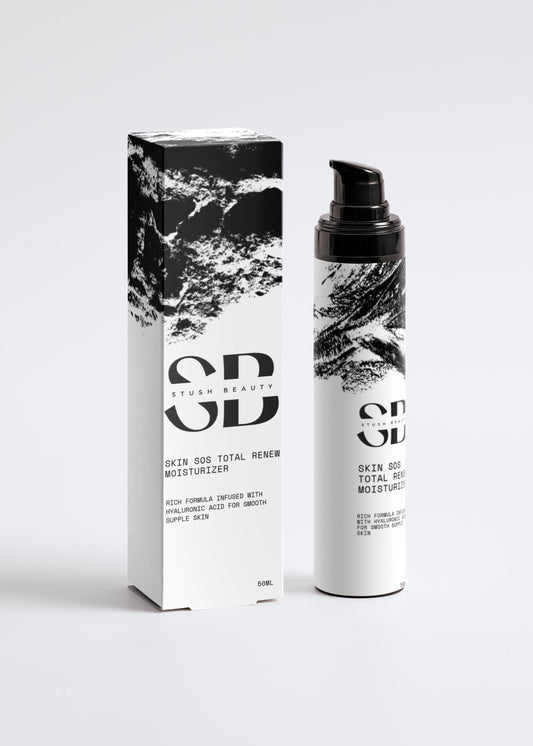
Focus on resetting gently. Use lukewarm water to cleanse, pat dry, and choose a single treatment lane—either a retinoid or bakuchiol on alternate nights, or azelaic acid for brightening and breakouts. Keep acids mild to avoid irritation, and finish with a rich, cushiony moisturizer like Skin SOS Moisturizer to reduce overnight moisture loss.
For Melanin-Rich Skin: Comfort Over Intensity
Barrier-first care is crucial since irritation can quickly turn into post-inflammatory hyperpigmentation. Stick to barrier-supportive ingredients like niacinamide, azelaic acid, and gentle lactic acid at modest strengths, and use tinted SPF daily to prevent visible light from deepening dark spots. To smooth away ashiness, choose urea or lactic acid to soften skin rather than scrubbing, which can cause inflammation.
Travel-Proof Your Glow
Airplane cabins are extremely dry. Before boarding, cleanse and apply a hydrating serum plus moisturizer, skipping strong actives. During the flight, reapply a light layer of moisturizer or use a face mist for comfort, but sealing in moisture is key.
After landing, cleanse, hydrate, moisturize, and get a good night’s sleep—cool compresses or gentle lymphatic massage can help with puffiness. And no matter where you go, don’t skip SPF, especially if you have a window seat.
Make Indoor Hydration Work for You
Aim for a humidity level of 40–50% in your home to reduce transepidermal water loss. Keep showers short—two to five minutes—with lukewarm water and fragrance-free cleansers, and always moisturize within three minutes of stepping out (“soak and seal”). Set thermostats in the mid-60s to low-70s to prevent excessive dryness and bundle up in cozy layers instead of cranking the heat.
Keep Your Routine Aligned with a Busier Schedule
Stick to a three-step rule: cleanse, treat, moisturize. Skin cycling—a four-night rhythm of exfoliation, retinoid, and two nights of recovery—can keep irritation at bay. If your skin feels parched, try skin flooding: apply multiple hydrating layers to damp skin while minimizing actives. For an extra moisture boost, try “smart slugging” by applying a thin occlusive layer only to dry patches rather than your whole face to avoid congestion.
Stress, Shorter Days, and Your Complexion
Elevated cortisol slows barrier repair and raises inflammation levels, so building calming nighttime rituals is key. Consistent sleep is one of the most underrated skincare steps—leave your phone outside the bedroom, use red or warm light lamps after sunset, and try a morning light walk to reset your circadian rhythm. This helps not just your mood but your skin’s ability to repair overnight.
Dermatologist-Aligned, Seasonally Smart Tweaks by Skin Type
Oily or acne-prone skin thrives with gel-cream textures during the day and a richer cream at night, plus gentle weekly exfoliation. Dry or sensitive skin types should use cream cleansers, layer humectants under ceramide- or shea-based moisturizers, and try the “retinoid sandwich” method for better tolerance. Combination skin benefits from light layers in the T-zone and richer cream on the cheeks, alternating exfoliants and retinoids (never on the same night). Eczema-prone skin does best with thin layers of moisturizer, occlusives on hotspots, and fragrance-free formulas—see a dermatologist at the first sign of a flare.
The Stush Edit for the Season
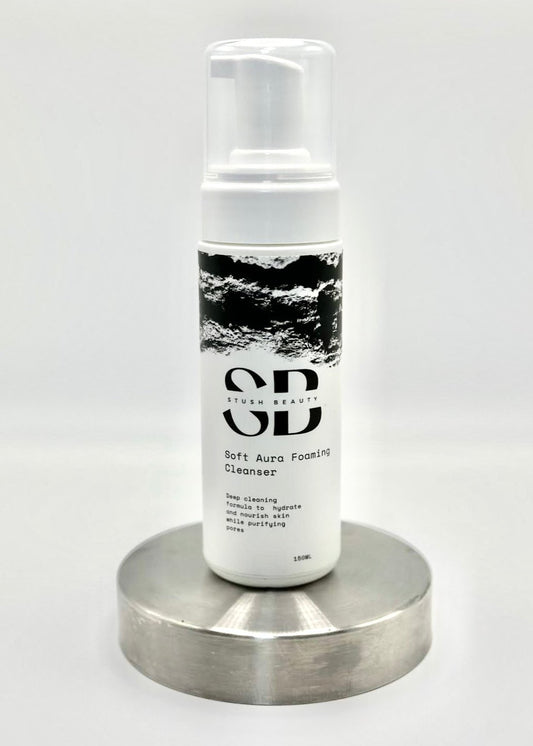
Soft Aura Foaming Cleanser: Plush, non-drying cleanse for crisp air.

Niacinamide + B3 Gel Moisturizer: Hydration, calm, and brightening—perfect for busy mornings.

Skin SOS Moisturizer: Aloe + hyaluronic acid-powered cream for overnight and travel hydration.

A Season Made for Slow Glow
Fall invites you to edit—your calendar, your closet, and your skincare routine. Choose textures you love and stick to consistent rituals morning and night. Eat seasonally, sip warm hydrating blends, and keep your home environment skin-friendly.
Protect your skin daily and let these quiet habits do the work. Clear, even, hydrated skin isn’t complicated—it’s consistent, it’s kind, and it feels like you. This is your season to harvest a soft, steady glow—one intentional moment at a time.