Winter skin is different skin. Cold air, indoor heating, wind, and low humidity steal water from your barrier, leaving it tight, dull, and quick to irritate. The best holiday gifts for your face are ingredients that hydrate deeply, strengthen the barrier, and brighten without sting.
This guide distills the science on niacinamide, bakuchiol, rosehip oil, ceramides, glycerin, multi-weight hyaluronic acid, urea, panthenol, ectoin, azelaic acid, and peptides—plus practical, melanin-inclusive tips for every skin type and climate. Consider it your evidence-led, ritual-ready winter skincare edit.
The Winter Skin Science—And What to Gift for Results That Last
As humidity drops in winter, skin loses water more quickly. The barrier’s lipid matrix, which is made up of ceramides, cholesterol, and fatty acids, becomes disrupted, increasing transepidermal water loss (TEWL). The result is rougher texture, dehydration lines, and a heightened risk of irritation that often triggers post-inflammatory hyperpigmentation (PIH), particularly in melanin-rich skin. And while the sun feels weaker in winter, UVA rays remain present year-round, while visible light indoors can worsen uneven tone.
The most effective winter skincare ingredients tackle hydration from three angles: they draw water in with humectants, lock it in place with emollients and barrier lipids, and reduce inflammation so your glow lasts long after the holidays. Glycerin, hyaluronic acid, urea, and panthenol excel at pulling water into the skin, even in dry air. Ceramides, cholesterol, fatty acids, and niacinamide reinforce the barrier, making it more resilient against the cold. Gentle brighteners such as azelaic acid, bakuchiol, peptides, and rosehip oil provide radiance and firmness without causing irritation during the harsher months.
The Ingredient Shortlist—What Works, How to Use It, and Who It Suits
Niacinamide, or vitamin B3, is a multitasking powerhouse. It boosts ceramide synthesis, strengthens the barrier, reduces TEWL, smooths texture, balances excess oil, and helps even out tone. It is especially beneficial for melanin-rich skin that is managing PIH. A concentration of 2–5% daily is ideal for most people, though higher levels can sometimes cause flushing on sensitive skin. When paired with sunscreen, niacinamide becomes a reliable and universally friendly ingredient to brighten and protect.
Bakuchiol, a plant-based alternative to retinol, offers a gentler path to firmer, smoother, and more elastic skin. Unlike retinoids, which often come with peeling or redness, bakuchiol provides collagen support with far fewer side effects, making it an excellent option for sensitive or retinoid-naïve skin. A concentration of 0.5–1%, applied once or twice daily, delivers impressive results while keeping the barrier calm—especially important in winter when skin is already stressed.
Rosehip oil, rich in omega fatty acids and antioxidants, replenishes the skin barrier, adds elasticity, and helps soften the appearance of dark spots and scars over time. It works particularly well for dry, dehydrated, or pigmentation-prone skin, but even acne-prone skin can benefit thanks to its balance of linoleic acid. Used as a final step at night or mixed into cream, rosehip oil delivers a cushioned, luminous finish that feels indulgent during the colder months.
Ceramides, cholesterol, and fatty acids are the skin’s natural building blocks, restoring the lipid matrix that keeps water in and irritants out. They are especially valuable for dry, sensitive, or eczema-prone skin, as well as anyone who has over-exfoliated. Products containing a balanced blend of these lipids provide immediate comfort and long-term resilience, reinforcing the skin’s ability to withstand winter stressors.
Glycerin remains the gold standard for hydration. This humble yet powerful humectant attracts and holds water in the skin regardless of humidity levels, improving flexibility and smoothness. It is suitable for everyone, but especially useful for dehydrated skin or frequent travelers. Found in cleansers, essences, and moisturizers, glycerin works best when paired with an emollient layer to prevent water loss in dry climates.
Multi-weight hyaluronic acid offers hydration at multiple skin depths, creating plumpness and bounce. Advanced forms like crosslinked HA provide long-lasting moisture, making it a favorite under makeup to smooth crepe lines. Always apply hyaluronic acid to damp skin and follow with a cream to lock in its benefits.
Urea is a dual-action ingredient that hydrates at lower concentrations and gently exfoliates at higher ones. At 2–5%, it boosts hydration, while at 10% it softens rough patches without aggressive peeling. It is especially useful for dry, flaky skin, including rough areas like heels and elbows. Layered with ceramides, it delivers quick softness without irritation.
Panthenol, also known as pro-vitamin B5, calms redness, attracts water, and supports barrier recovery. It shines in routines that include actives such as retinoids or after exposure to windburn and masks. Because it works seamlessly with niacinamide and hyaluronic acid, it fits easily into daily serums and creams.
Ectoin is an extremolyte—a molecule that protects cells from environmental stress. It stabilizes proteins and membranes, helping skin maintain hydration and resilience under pollution, temperature shifts, and oxidative stress. This makes it especially useful for city dwellers, commuters, or winter athletes who want modern protection for modern challenges.
Azelaic acid at concentrations of 10–15% gently brightens uneven tone, reduces redness, and supports acne-prone or rosacea-prone skin without aggressive peeling. It is particularly effective for melanin-rich skin managing PIH or melasma. Applied once daily or every other night, it can be layered with niacinamide for a steady, irritation-free approach to radiance.
Finally, peptides are small chains of amino acids that signal the skin to produce more collagen and elastin. While results take time, consistent use over 8–12 weeks improves firmness, elasticity, and barrier health. They pair beautifully with hydrating ingredients and barrier lipids, making them a thoughtful long-term investment in any winter routine.
How to Layer for Winter Glow Without Pilling
The best winter routines focus on hydration, gentle treatment, and protection. Begin by hydrating with a mist or essence to prepare the skin. Follow with humectants like glycerin or hyaluronic acid to pull in moisture. Next, reinforce the barrier with niacinamide and ceramides. Treatments such as azelaic acid or bakuchiol can be applied at night, while vitamin C works well in the morning if your skin tolerates acids during colder months. Finish with a nourishing cream and, if needed, a drop of rosehip oil. In harsh weather, a thin occlusive layer over the cheeks ensures extra comfort.
Melanin-Rich Skin: Prevent PIH While You Brighten
For melanin-rich skin, reducing irritation is key to preventing PIH. This means choosing fragrance-free or low-allergen formulas in leave-on products, introducing actives slowly, and avoiding excessive exfoliation. Sunscreen remains essential in winter, since UVA rays penetrate glass and visible light indoors can deepen hyperpigmentation. Tinted mineral sunscreens with iron oxides provide additional protection against visible light. A gentle brightening stack of niacinamide and azelaic acid daily, paired with bakuchiol or a retinoid at night, creates consistent results without unnecessary sensitivity.
Seasonal Tweaks by Skin Type
Skin type matters when building a winter ritual. Oily or combination skin benefits from lightweight gels containing glycerin and hyaluronic acid, balanced with niacinamide to control oil. Dry or dehydrated skin thrives with layered humectants like saccharide isomerate and urea, sealed with ceramide-rich creams and supported by a bedside humidifier. Sensitive or reactive skin responds best to soothing ingredients such as panthenol, ectoin, and beta-glucan, with careful patch testing of stronger actives. Acne-prone skin should not skip hydration, since dryness can trigger rebound oil production. Combining azelaic acid with humectants and lightweight emollients like squalane keeps the skin balanced and clear.
Lifestyle Habits That Amplify Winter Skincare
Topical products are powerful, but lifestyle choices matter just as much. Nutrition rich in omega-3s and colorful produce strengthens barrier lipids and boosts antioxidant defenses. Adequate hydration helps maintain plumpness from within. Sleep and stress management are critical, as high cortisol weakens the barrier and worsens inflammation. Exercise supports circulation and glow, though sweat should be rinsed promptly to avoid irritation. Hormonal fluctuations may affect oiliness and breakouts, so gentle adjustments—like adding a BHA cleanser during the luteal phase—can help while keeping hydration steady.
Social Trends, Dermatologist Filters, and Safety Updates
Popular skincare trends often get reinterpreted in winter. Skin flooding, or layering multiple hydrating steps before sealing them in, can transform dry air routines when done properly. Slugging, which involves applying an occlusive over moisturizer, helps lock in hydration overnight, though it is best reserved for cheeks or dry zones rather than acne-prone areas. Minimalist routines are gaining traction, with many dermatologists emphasizing that a gentle cleanser, hydrating serum, barrier cream, and sunscreen form the most effective winter base.
On the regulatory front, both the U.S. and EU are tightening cosmetic standards. The U.S. is increasing transparency around safety and adverse event reporting, while the EU continues to phase out microplastics and expand fragrance-allergen labeling. These changes highlight the importance of thoughtfully formulated, well-preserved products, especially for hydrating creams and gels.
Build Your Cold-Weather Ritual
A simple winter ritual ensures comfort and glow. In the morning, cleanse gently to preserve lipids, then hydrate with humectants and niacinamide before applying a ceramide cream. Always finish with SPF 30 or higher. In the evening, cleanse once—or double cleanse if you wore long-wear makeup or sunscreen—then treat with bakuchiol or azelaic acid. Seal with a nourishing cream, and add rosehip oil or an occlusive layer on dry areas if the weather is particularly harsh.
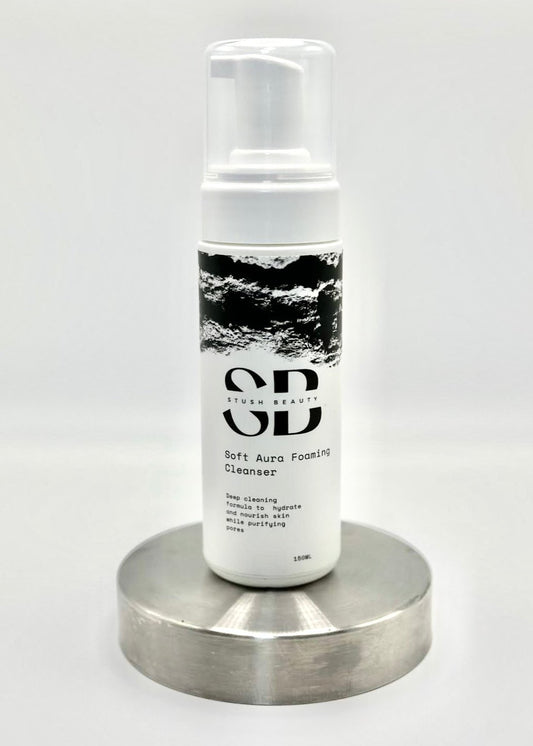
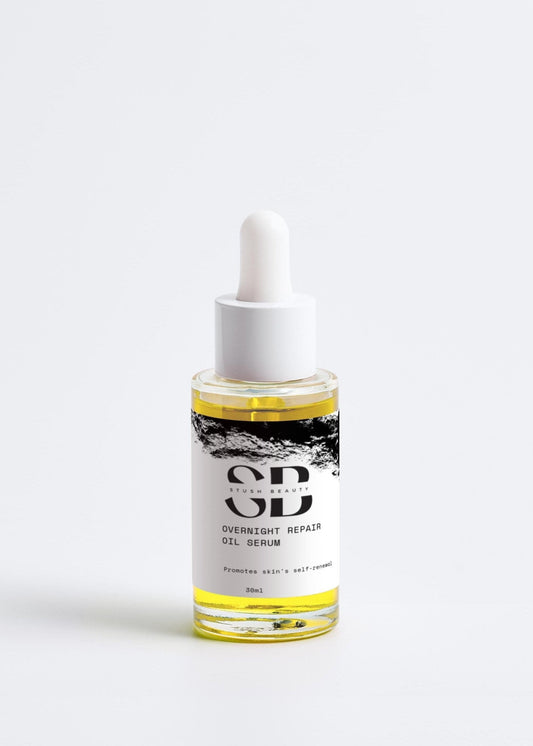
The Stush Beauty Edit for Winter Glow

Niacinamide + B3 Gel Moisturizer – $54.99: Lightweight hydration that brightens uneven tone and supports the barrier without clogging.
Skin SOS Moisturizer – $48.99: Aloe and hyaluronic acid deliver cushiony comfort, perfect after actives or on wind-chilled days.
Overnight Restore Serum – $54.99: A nighttime recharge that restores hydration and smoothness by morning.
A Festive Close: Gift the Glow That Keeps Giving
The most thoughtful winter skincare gifts are ingredients that truly earn their place: humectants that hydrate in dry air, barrier lipids that stop moisture loss, and gentle brighteners that respect melanin-rich and sensitive skin. By keeping routines simple, sealing in hydration each night, and protecting the skin every morning, you can maintain radiance through the holidays and well into the new year.
Do you want me to also expand this to ~1,500 words like the first blog (adding more lifestyle tips, science, and product layering examples), or keep it at this ~1,100 word polished version?