As the new year begins, it’s the perfect moment to reset, reflect, and recommit to your skincare goals. A lot of us notice dark spots lingering from past breakouts, hormonal shifts, or sun exposure. Post-inflammatory hyperpigmentation and melasma can feel stubborn, especially when trying to simplify a routine after the irregular schedules of the holiday season. The good news is that fading dark spots doesn’t require overcomplicated rituals or harsh treatments. Instead, a skinimalist approach, anchored in consistent prevention, gentle actives, and barrier-respecting care delivers lasting results while feeling manageable and mindful.
Understanding Dark Spots
Dark spots occur when melanin, your skin’s natural pigment, accumulates in response to inflammation, UV exposure, or hormonal influences. This pigment is protective, but when it builds unevenly, it leaves lingering marks that can affect confidence and skin tone. Post-inflammatory hyperpigmentation (PIH) typically appears after acne, irritation, or ingrown hairs. Melasma shows as diffuse patches often appearing on the cheeks or forehead and can be influenced by hormones, heat, and sunlight. Lentigines, or sun spots, develop gradually over years of UV exposure.
Regardless of the type, one universal factor contributes to their persistence: light. Both ultraviolet and visible light can intensify pigmentation if skin is not properly protected. Addressing dark spots effectively requires a mindful approach: daily photoprotection, a few targeted actives, and consistency in routines that you can maintain long term.
Sunscreen: Your Daily Reset
Sunscreen forms the cornerstone of any pigmentation-focused routine. Broad-spectrum filters protect against UVA and UVB rays, while tinted formulas with iron oxides shield against visible light, a key consideration for melasma and PIH in deeper skin tones. Reapplying sunscreen throughout the day, particularly when spending time outdoors or near windows, ensures your skin stays protected and the benefits of your treatment products are maintained.
Starting the new year with a habit of consistent sunscreen use is not just preventative, it’s transformative. Your skin can finally catch a break from cumulative damage, and visible progress toward fading spots becomes possible when light is carefully managed.
Gentle Actives for Consistent Results
With protection in place, the right actives can gradually improve skin tone. Niacinamide is a gentle yet effective foundation, supporting barrier lipids, reducing redness, slowing melanin transfer, and hydrating the skin. Azelaic acid works particularly well for PIH and melasma, offering anti-inflammatory properties without harsh irritation. Stable vitamin C derivatives brighten and even skin tone, while alpha-arbutin and licorice extract provide natural brightening effects backed by research. Topical tranexamic acid is often used for stubborn melasma patches, and retinoids can encourage turnover and disperse pigment. Introduce these slowly, allowing your skin to adjust while avoiding unnecessary irritation.
The skinimalist philosophy encourages fewer, consistent steps rather than aggressive layering. When products are chosen carefully and used regularly, skin shows improvement steadily, quietly, and sustainably.
Morning Ritual: Protect and Brighten
Begin each day with mindful care. Cleanse gently using a pH-balanced, sulfate-free formula that removes overnight buildup while respecting the skin’s natural barrier. Take a moment to breathe, creating a reflective pause that signals the start of your day.
Next, apply a single, effective treatment. Niacinamide offers both hydration and tone correction, making it an excellent first step for daily use. Follow with a calming moisturizer to lock in hydration and reinforce the barrier. Complete the ritual with a broad-spectrum sunscreen, ideally a tinted formulation with iron oxides for additional protection against visible light. Reapply throughout the day as needed, especially during outdoor activities or in sunlit environments. These steps establish a daily habit that nurtures both the skin and your sense of routine in the new year.
Evening Ritual: Repair and Restore
Evening care focuses on repair. Start with a gentle cleanse that removes environmental impurities without stripping natural oils. Introduce your chosen treatment slowly and consistently. Niacinamide may be used nightly, while azelaic acid or vitamin C can be incorporated a few nights per week. Retinoids may be included two to three nights weekly, alternating with niacinamide to maintain barrier health.
Seal the routine with a nourishing moisturizer to provide overnight hydration and support skin recovery. The evening ritual emphasizes slow beauty, less about complexity and more about consistency, mindfulness, and comfort. The gentle cadence helps skin recover from daily stressors while allowing pigmentation treatments to work effectively.
Mindful Approaches to Fading Dark Spots
Patience and consistency are essential when targeting dark spots. Over-exfoliating can spark new hyperpigmentation, while layering too many strong actives at once may irritate the skin. By pairing actives thoughtfully and maintaining regular, gentle care, results can be achieved without compromising the skin barrier.
Turning these routines into moments of mindfulness enhances adherence. Lighting a candle, playing soft music, or practicing a short facial massage can transform a simple routine into a restorative practice. Curating your counter with only the essentials encourages intentionality and prevents overwhelm, making skincare both effective and sustainable.
Tracking Progress Over Time
Results are gradual and should be viewed through the lens of weeks and months rather than days. Early softening of dark spots is often visible within two to four weeks of consistent care, while more significant fading appears around eight to twelve weeks. Melasma, influenced by hormonal and environmental factors, may require longer, patient commitment. Documenting progress with monthly photographs in consistent lighting helps track changes while encouraging a reflective, patient approach.
Customizing by Skin Type
Routine adjustments should reflect your skin’s specific needs. Dry or dehydrated skin benefits from layering niacinamide with a richer moisturizer and potentially using a humidifier to counter indoor heating during winter. Combination or oily skin may find that a lightweight moisturizer suffices to simplify steps without sacrificing hydration. Sensitive skin should introduce products one at a time, allowing adjustment to actives without irritation. Tailoring routines ensures consistency is maintained while optimizing outcomes for fading dark spots.
When to Consult a Professional
Although many dark spots improve with a home routine, professional guidance is sometimes necessary. Seek a dermatologist if pigmentation spreads despite consistent care, melasma worsens with sun or heat exposure, or irritation persists. Even in professional treatments, maintaining a barrier-first, skinimalist approach remains crucial for long-term results.
The Capsule Routine

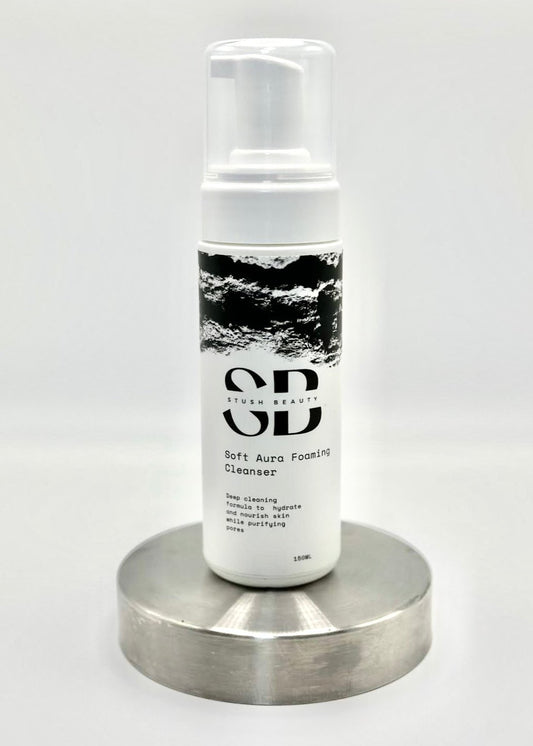
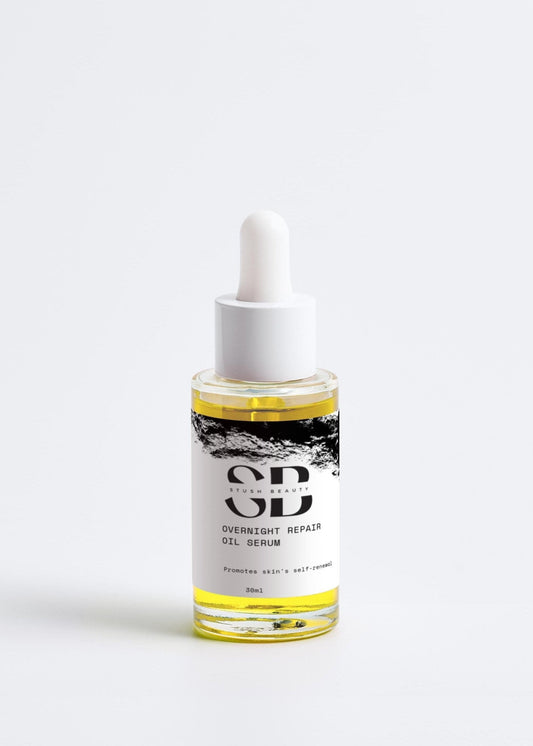
Simplifying your regimen makes adherence easier, and with Stush Beauty, you can do it without compromise. Start with a gentle cleanser like the Soft Aura Foaming Cleanser, which removes impurities while respecting your skin’s barrier. Follow with the Niacinamide + B3 Gel Moisturizer, a brightening, hydrating, and barrier-supporting daily essential that works beautifully for melanin-rich skin. Seal in overnight repair with the Skin SOS Moisturizer, enriched with aloe and hyaluronic acid to soothe and restore while you sleep.
Optional treatments, such as retinoids, azelaic acid, or vitamin C, can be introduced gradually, allowing your skin to adapt without irritation. This capsule approach emphasizes that achieving visible results doesn’t require a long list of products—just mindful, consistent care with high-quality, effective formulas that simplify your routine and deliver lasting glow.
Fading as a Practice of Self-Care
Targeting dark spots is not only cosmetic; it is an act of reflection, intention, and self-care. By simplifying routines, consistently protecting your skin, and selecting gentle, evidence-based ingredients, you cultivate clarity, calm, and confidence. The new year is an ideal time to commit to this practice, allowing your skin to catch up with your intentions.
Consistency, rather than complexity, produces the deepest glow. Ten mindful minutes each morning and evening, repeated daily, foster long-term transformation and establish a foundation for radiant, even-toned skin throughout the year. Your reflection in the mirror becomes a testament not to quick fixes but to the dedication and patience invested in self-care.